
QU'EST-CE QUE TU CHERCHES
?
A sleep mask can be a useful accessory when you want to reduce surrounding light during nighttime sleep, travel, or daytime rest. However, not all sleep masks are designed in the same way.
Some use a simple flat construction, while others feature sculpted eye cups that create additional space around the eyelids.
Understanding the differences can help you select a sleep mask that better matches your preferences.
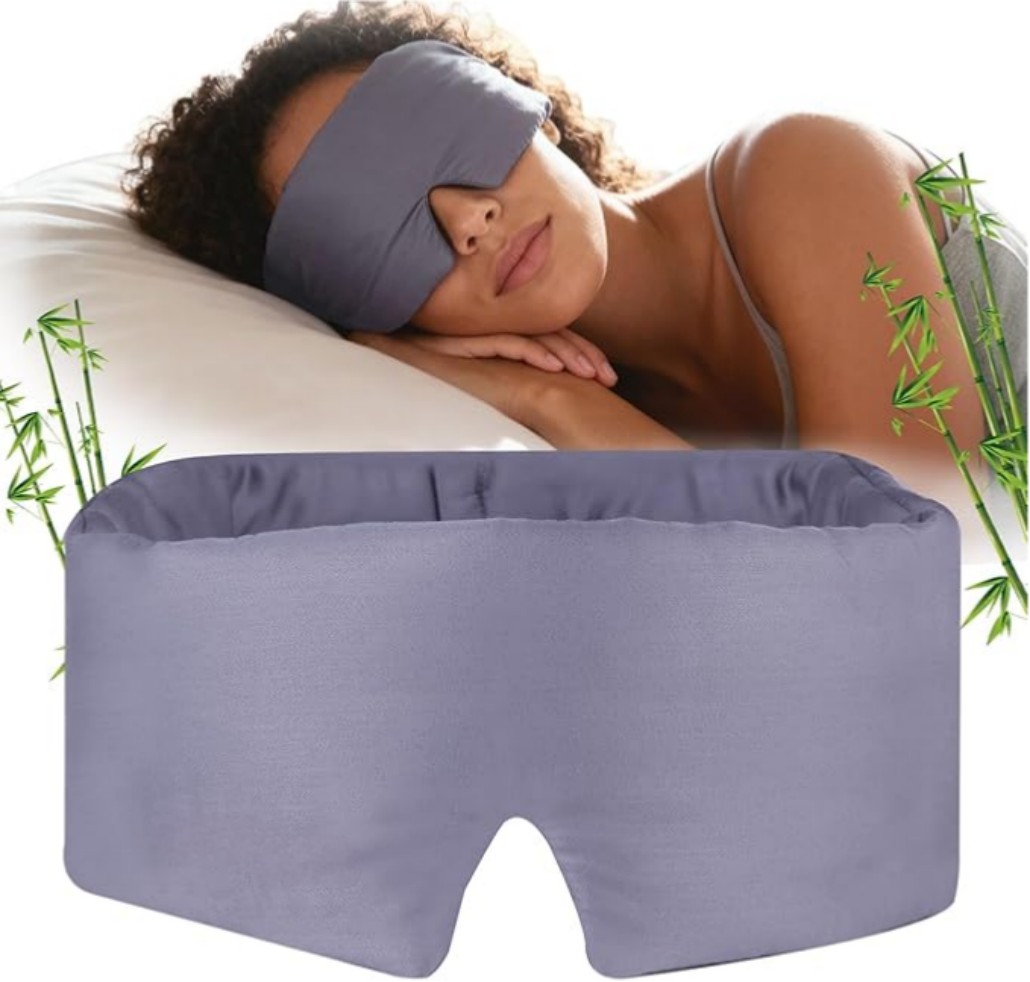
A 3D contoured sleep mask features shaped areas around the eyes rather than a completely flat surface.
The eye cups are designed to create additional space around the eyelids, potentially reducing direct contact between the mask and the eyes. Depending on the design, the mask may also feature a shaped nose area and an adjustable strap.
The actual experience varies according to eye-cup depth, materials, facial shape, and the way the mask fits.
Flat masks usually feature a simple layered structure that rests directly against the area around the eyes.
Potential advantages include:
A lightweight and compact design
Simple construction
A wide range of fabric options
Often an economical price point
However, some flat masks may press against the eyelids or allow light to enter around the nose and edges, depending on their shape and fit.
Contoured masks use shaped eye areas to create more space around the eyelids.
Potential advantages include:
Additional room around the eyes
Less direct contact with the eyelids, depending on fit
More opportunities to optimize the nose-bridge shape
Different profiles for different sleeping preferences
A contoured design does not automatically guarantee complete blackout or zero pressure. Product construction and individual fit remain important.
The eye cups should provide enough room for comfortable blinking without making the mask unnecessarily bulky.
Light can enter through gaps near the nose. A well-designed nose area may improve coverage, but facial features differ from person to person.
The outer fabric, lining, and internal structure all influence comfort. If you prefer a cooler feel, compare actual fabric composition and product construction rather than relying on a marketing term alone.
A suitable strap helps keep the mask in position without excessive pressure. Check the adjustment range, material softness, and hardware placement.
People who sleep on their sides may prefer a lower-profile design that feels less bulky against the pillow. The best option should be evaluated through real-world wear testing.
A contoured sleep mask may be worth considering if you:
Prefer additional space around your eyelids
Find some flat masks uncomfortable against your eyes
Travel frequently and need a compact sleep accessory
Sleep during daylight hours
Want to compare different eye-mask shapes and materials
Comfort is personal, so checking the fit and return policy before purchasing can be helpful.
Begin by adjusting the strap so that the mask stays in place comfortably.
Check whether the nose area and sides fit closely enough to reduce light leakage. Avoid tightening the strap excessively to compensate for a poorly fitting shape.
If the eye cups press against your eyelids or the mask shifts when you change sleeping positions, consider another shape or size.
For people with sensitive skin or specific material preferences, reviewing the fabric composition and care instructions is also important.
For retailers and private-label brands, a contoured sleep mask can be developed around several product differentiators.
Consider evaluating:
Eye-cup depth and shape
Nose-bridge coverage
Outer fabric and lining
Strap adjustability and durability
Side-sleeping comfort
Light-leakage performance
Color and packaging options
Minimum order quantities and production consistency
Before placing a bulk order, request a sample and assess comfort across different facial shapes and sleeping positions.
Brands should also verify product claims with appropriate testing before advertising specific blackout percentages or performance guarantees.
A 3D contoured sleep mask offers an alternative to a traditional flat eye mask by creating additional space around the eyelids.
When comparing products, pay attention to eye-cup depth, nose-bridge coverage, fabric, strap adjustment, and overall fit. These details are often more useful than appearance alone.
For sleep accessory brands, a carefully tested contoured design can also provide a foundation for a differentiated product collection, with opportunities for customized materials, shapes, colors, and packaging.


 IPv6 network supported.