
QU'EST-CE QUE TU CHERCHES
?
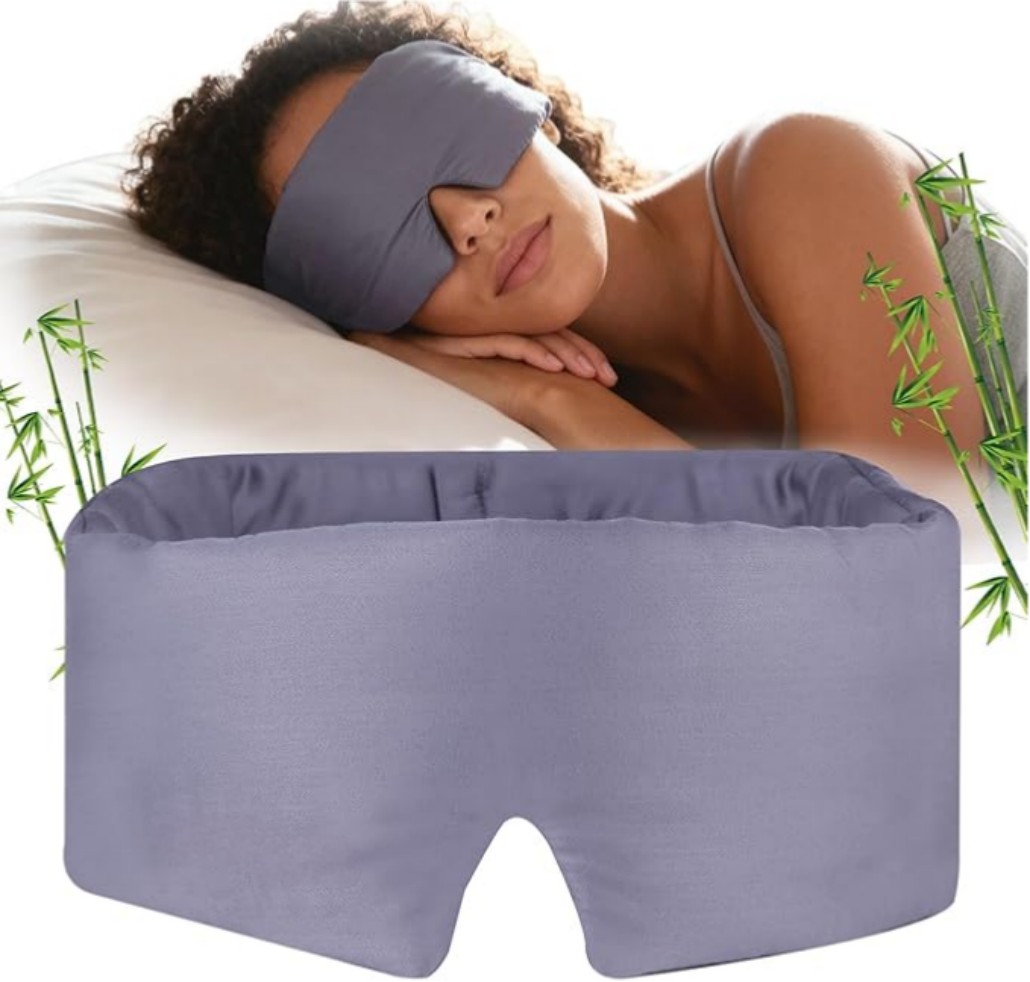
A sleep mask is a simple accessory, but its shape, fabric, and fit can influence how comfortable it feels during rest.
Traditional flat eye masks and 3D contoured sleep masks serve a similar purpose: covering the eyes to reduce exposure to surrounding light. However, their construction can feel quite different.
In this guide, we'll explore the main differences and the features worth considering before choosing a sleep mask.
A 3D sleep mask features shaped eye areas rather than a completely flat surface. These contoured areas create space around the eyelids and may reduce direct contact with the eyes.
Many designs also include an adjustable strap to help users customize the fit.
The exact experience depends on the depth of the eye cups, nose-bridge shape, fabric, and how the mask fits the individual wearer.
Flat eye masks generally use a simple layered construction. They are often lightweight, easy to pack, and suitable for users who prefer a low-profile design.
Depending on the material and fit, some flat masks may press against the eyelids.
Contoured masks use shaped eye areas to create additional space around the eyes. This can appeal to people who prefer less direct contact with their eyelids.
However, a 3D shape alone does not guarantee complete darkness or a pressure-free fit. The nose area, strap tension, and facial shape all influence performance.
Look for an eye-cup shape that offers sufficient room for natural blinking without feeling bulky or unstable.
Light can enter through gaps around the nose. A well-designed nose area can improve coverage, although results vary with individual facial features.
The outer fabric and lining influence softness, heat retention, and the feel against the skin.
If breathability is important to you, check the actual material composition rather than relying on the product name alone.
A suitable strap should provide a secure fit without excessive tension. Adjustment mechanisms and strap materials can make a difference in everyday comfort.
For travel, consider the mask's weight, packed size, and storage options. Also check whether the mask is washable and follow the manufacturer's care instructions.
A contoured sleep mask may be worth considering for:
People who prefer extra space around the eyelids
Frequent travelers who want a compact rest accessory
Office workers who take short breaks
Meditation and relaxation enthusiasts
Consumers looking for an alternative to traditional flat masks
Personal fit remains important. A mask that works well for one person may not suit another.
Start by adjusting the strap until the mask stays in place comfortably. Avoid pulling it too tightly, as excessive tension can create unnecessary pressure.
Check the nose area and sides for gaps that allow light to enter. If the eye cups feel restrictive or the mask shifts during movement, try a different size or shape.
For a new design, testing a sample before purchasing in bulk can help you assess fit, fabric, and coverage.
For retailers and private-label brands, the most useful product differences often come from the details of construction.
Consider evaluating:
Eye-cup shape and depth
Nose-bridge coverage
Fabric softness and breathability
Strap adjustability and durability
Color options and logo placement
Packaging and travel accessories
Quality consistency across production batches
Minimum order quantities and landed costs
A well-defined product specification helps ensure that the approved sample matches the product delivered to customers.
A 3D contoured sleep mask offers a shaped alternative to a traditional flat eye mask, with additional space around the eyelids and a design intended for comfortable rest.
When comparing options, focus on fit, fabric, eye-cup depth, nose-bridge coverage, and strap adjustment. These practical features are more useful than relying on appearance or broad performance claims alone.
For brands developing their own sleep accessory collections, carefully evaluating samples and defining product specifications can help create a more differentiated offering.


 IPv6 network supported.