
QU'EST-CE QUE TU CHERCHES
?
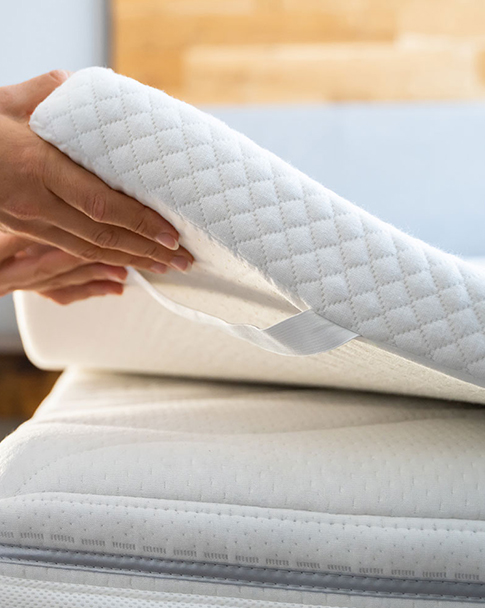

A comfortable pillow can make a bedroom feel more inviting. For shoppers who enjoy a soft, full pillow without choosing natural down, a fluffy down alternative pillow can be an appealing option.
But not all fluffy pillows feel the same. Filling, cover fabric, pillow height, and firmness all influence the overall experience. Understanding these differences can help shoppers choose a pillow that better suits their needs.
A down alternative pillow typically uses synthetic fiber filling designed to provide a soft, cushioned feel similar to the loft of traditional down pillows.
Depending on the fiber type and filling weight, the pillow may feel light and airy or fuller and more supportive. This gives brands flexibility when developing products for different customer preferences and price points.
A fluffy pillow creates a full, inviting appearance that works well with hotel-inspired bedding and layered bedroom styling.
However, appearance alone does not determine comfort. Pillow height and firmness should also be considered. Some sleepers prefer a softer, lower pillow, while others may prefer a fuller pillow that provides more cushioning.
The best choice depends on personal preference, sleeping position, body shape, and mattress firmness.
The cover is the part of the pillow that comes into direct contact with the sleeper.
Cotton is a popular option for its familiar, soft hand feel and breathable construction. Other fabrics can provide different textures, visual effects, and price points.
For a more distinctive product, brands can explore textured fabrics, contrasting piping, quilted details, or a reversible cover design, provided the construction is tested for comfort and durability.
Soft: A plush feel for customers who prefer a gentler, less structured pillow.
Medium: A balanced option for shoppers seeking a combination of softness and support.
Firm: A fuller, more structured feel for customers who prefer greater resistance under the head.
These descriptions are general guidelines rather than standardized firmness measurements. Brands should evaluate samples and establish consistent specifications before selling different firmness levels.
Before choosing a pillow, consider these practical questions:
What size fits your pillowcase and bed?
Is the pillow too high or too low for your preferred sleeping position?
Does the cover feel comfortable against your skin?
Can the pillow be washed, and what are its care instructions?
Does the filling maintain its shape after regular use?
Are the material and care details clearly disclosed?
For wholesale buyers, it is also useful to compare filling weight, shell fabric, stitching, packaging, and sample consistency across suppliers.
A basic fluffy pillow can become a more differentiated product through thoughtful product development.
Brands may explore different filling weights, cotton or textured shells, contrast piping, reversible surfaces, retail-ready packaging, and coordinated pillow-and-comforter collections.
Rather than competing on price alone, the goal is to define a clear customer preference and build the product around it.
A fluffy down alternative pillow combines a full appearance with customizable comfort options. By comparing filling, cover fabric, firmness, size, and care requirements, shoppers can make a more informed choice.
For bedding brands, these same factors provide a practical starting point for developing a pillow collection tailored to a specific audience and retail position.


 IPv6 network supported.